DISCOVER ARABIAN RANCHES
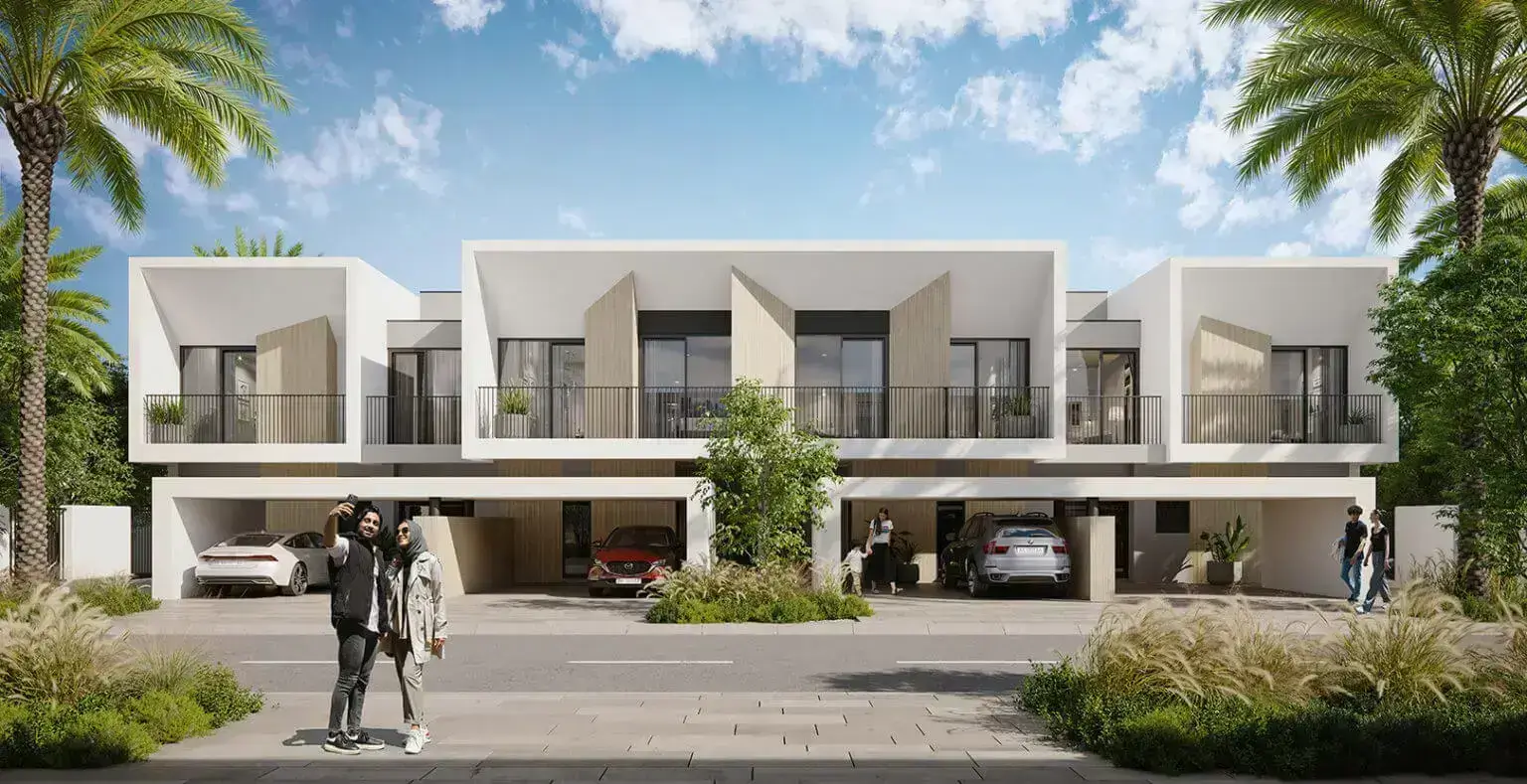
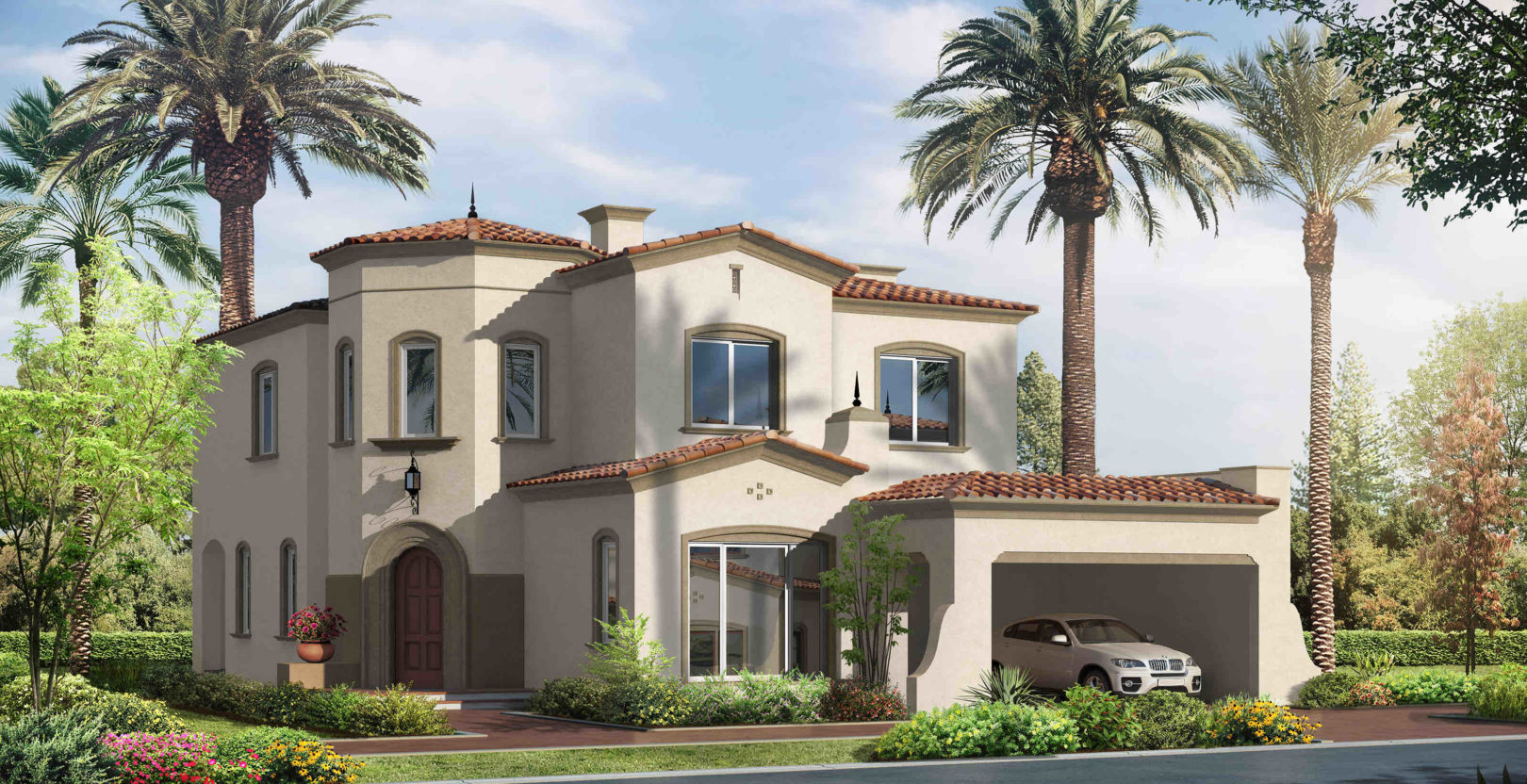
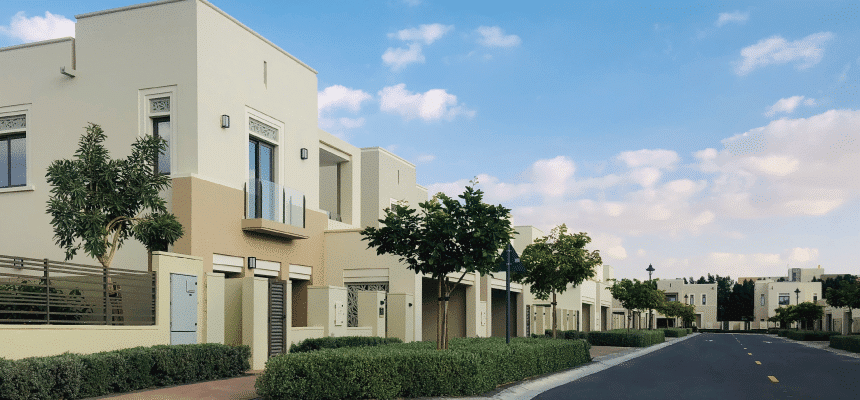
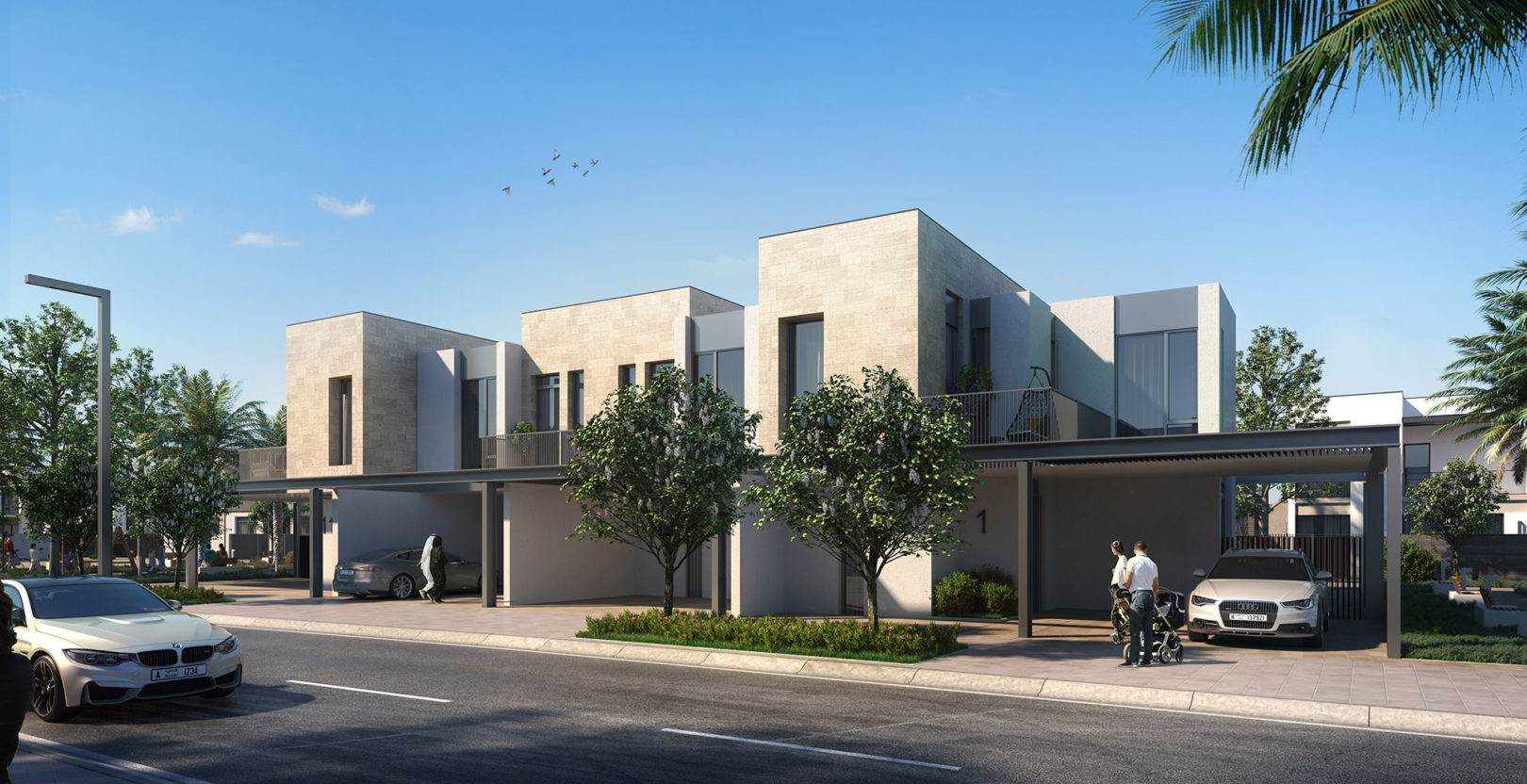
Arabian Ranches is a well established residential community known for its up-scale living and offering townhouse and independent villa options. It is surrounded by lush and mature landscaping and world class amenities, marking itself as one of the most popular communities within Dubai. Developed by Emaar Properties, Arabian Ranches is a freehold community and comprises three phases: Arabian Ranches 1, 2 and 3. Arabian Ranches was first launched in 2004 as the original flagship community by the Developer. Arabian Ranches 2 was later developed and began handing over in 2015 and Arabian Ranches 3 began development in 2021 with sub communities still under construction. Each phase of Arabian Ranches offers a unique blend of luxury, comfort and first class community living making it a sought after destination for families and individuals seeking a high quality lifestyle in Dubai.
For more Enquires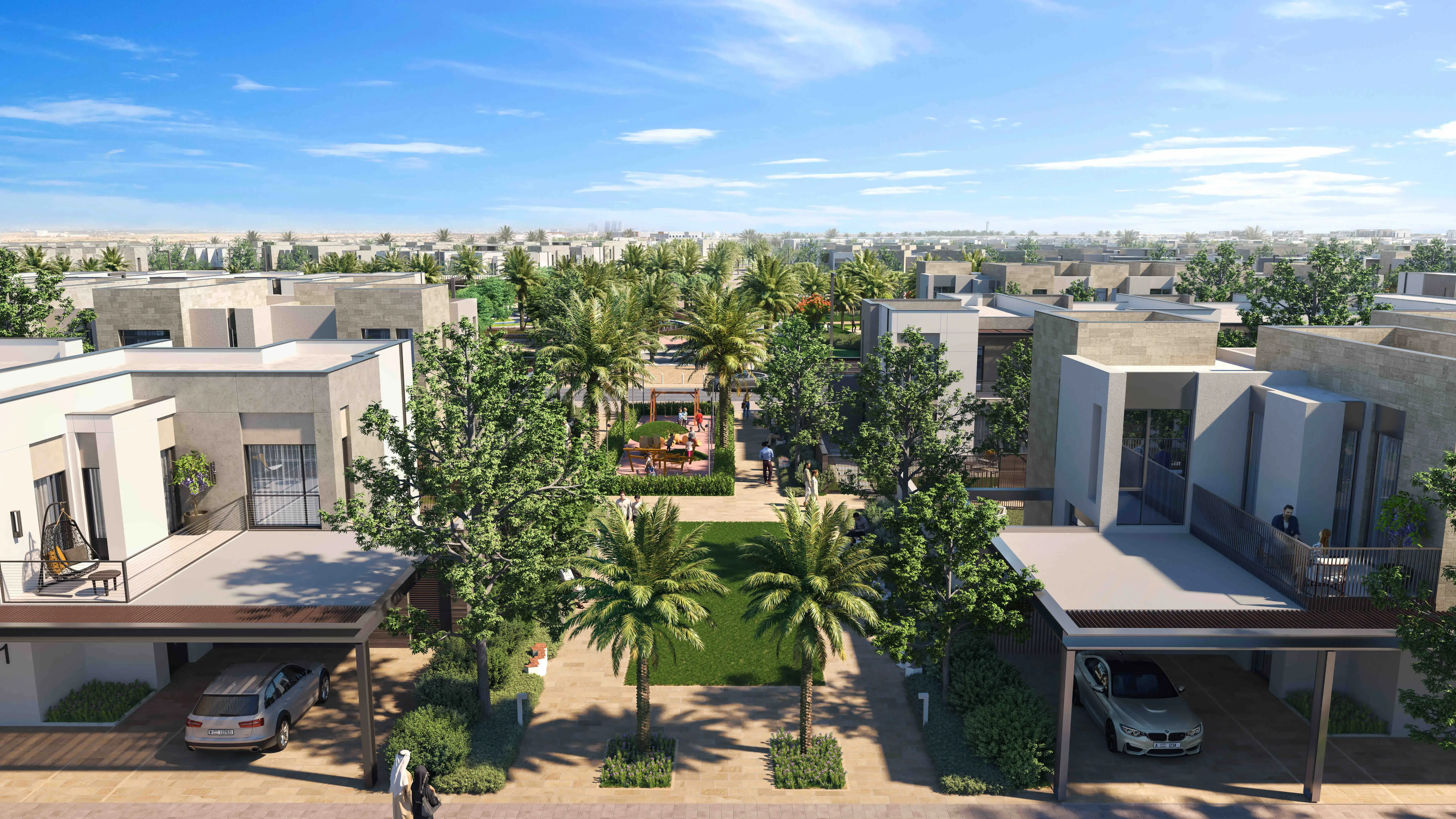
Arabian Ranches 1 is situated in the southwestern part of Dubai, near the intersection of Sheikh Mohammed Bin Zayed Road (E311) and Al Qudra Road making it a well-connected community with easy access to various parts of Dubai.
Arabian Ranches 2 is located adjacent to Arabian Ranches 1, primarily accessible via Al Qudra Road (D63) and Sheikh Zayed Bin Hamdan al Nayhan (D54). Both phases are located within very close proximity to the prominent communities of Motor City, Dubai Sports City and Dubai Studio City.
Arabian Ranches 3 is also easily accessible and is located further down the Sheikh Zayed Bin Hamdan Al Nayhan road (D54) adjacent to the Global Village and is situated next to other popular community of The Villa Project.
All three phases are located within the wider ‘Dubai Land’ area and are very well connected providing easy access to various parts of the Emirate.
For more Enquires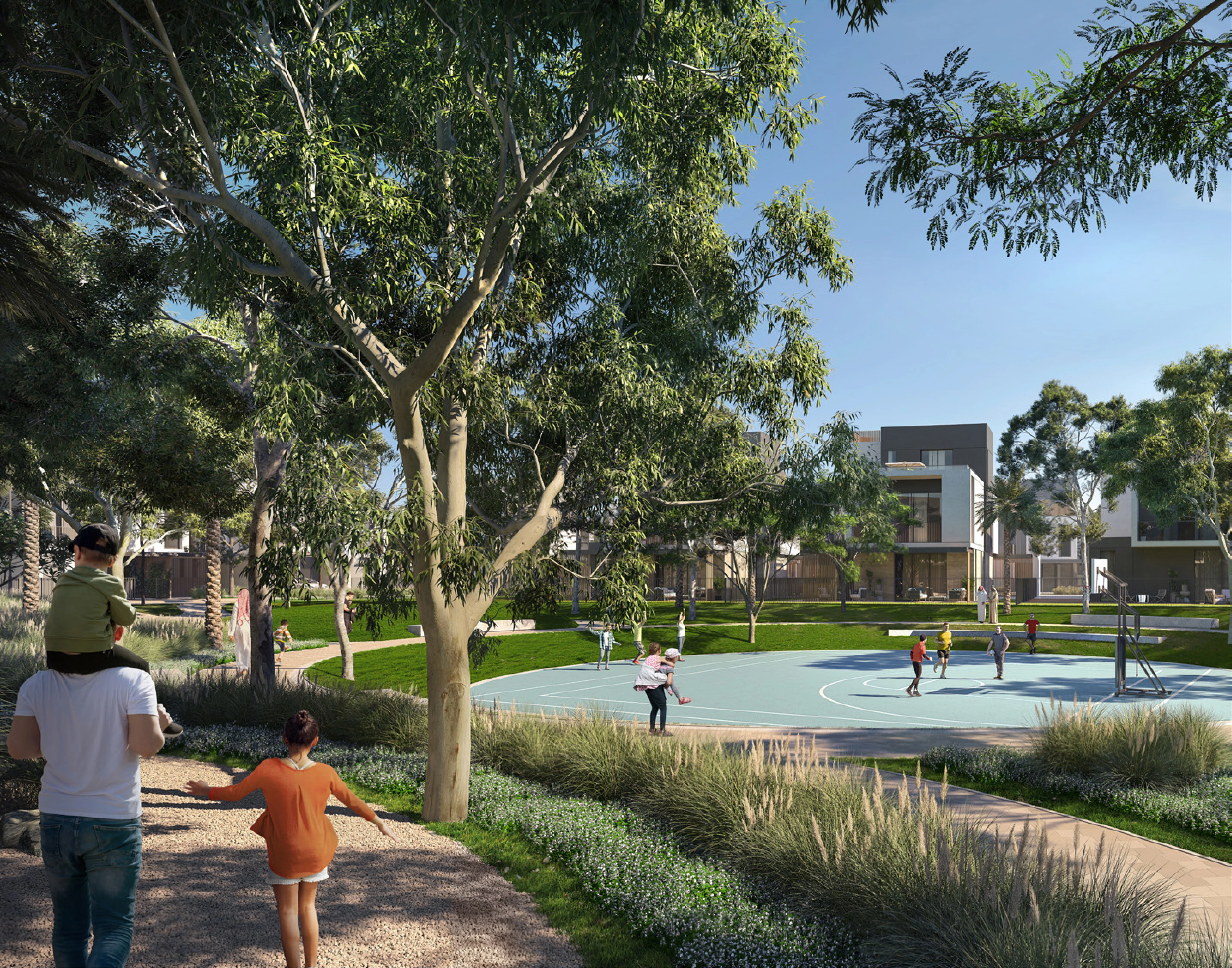
Arabian Ranches is an upscale residential community that offers a harmonious blend of luxury, tranquillity and the perfect family-friendly environment. With its beautifully landscaped surroundings and top-notch amenities including a professional grade golf course, highly established schools and a variety of housing options from townhouses to villas, Arabian Ranches is a serene escape from the city whilst also maintaining easy access to Dubai’s key areas. End users and Investors are drawn to Arabian Ranches due to its strong popularity in the market as a great living option for a wide range of clientele. Whether you're an avid golfer, nature enthusiast, or simply seek a refined lifestyle, Arabian Ranches beckons with its upscale living and a strong sense of community.
For more Enquires